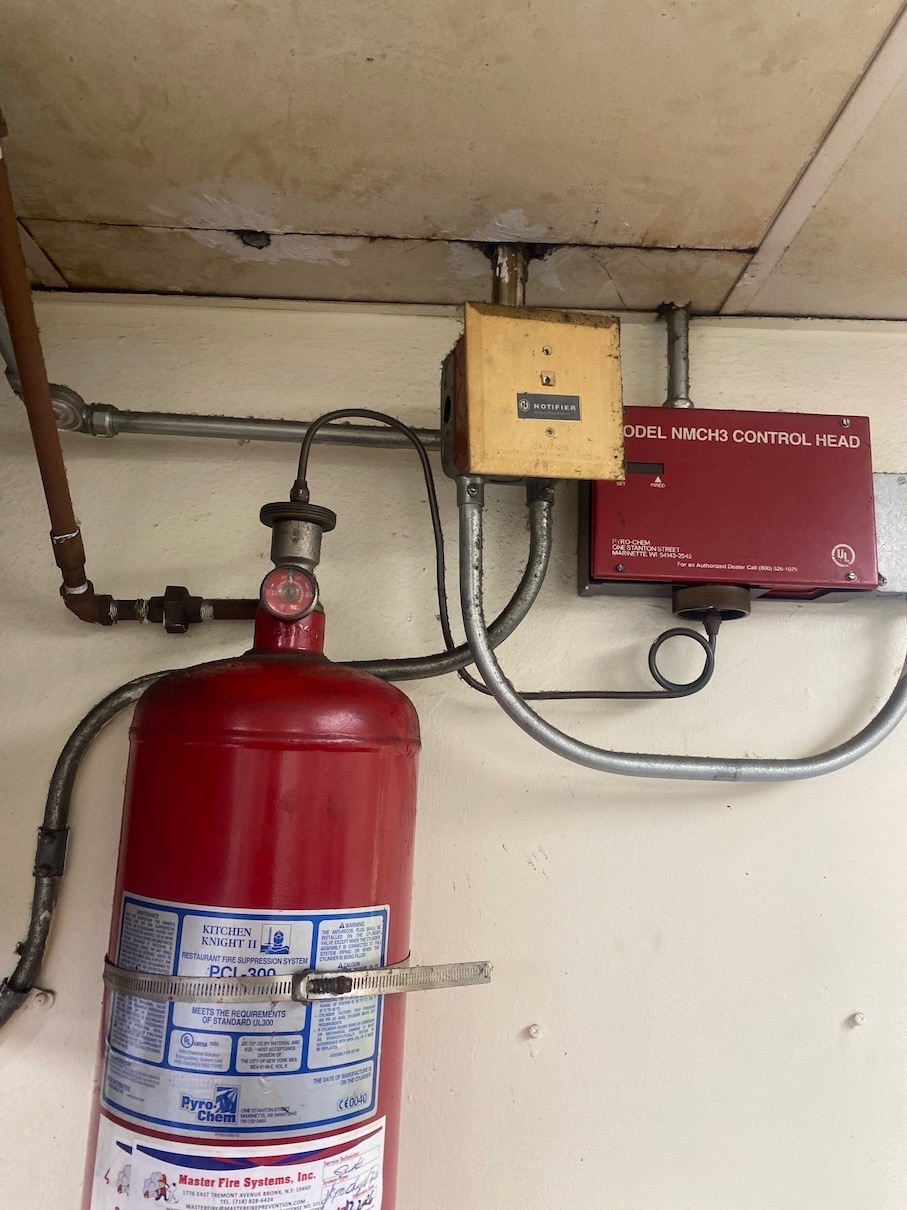
Friends of Crown Heights Educational Centers Inc. provides early childhood education and care to Brooklyn families. Its headquarters at 671 Prospect Place serves as an important community reference point for understanding the fire protection responsibilities of nonprofit educational facilities.
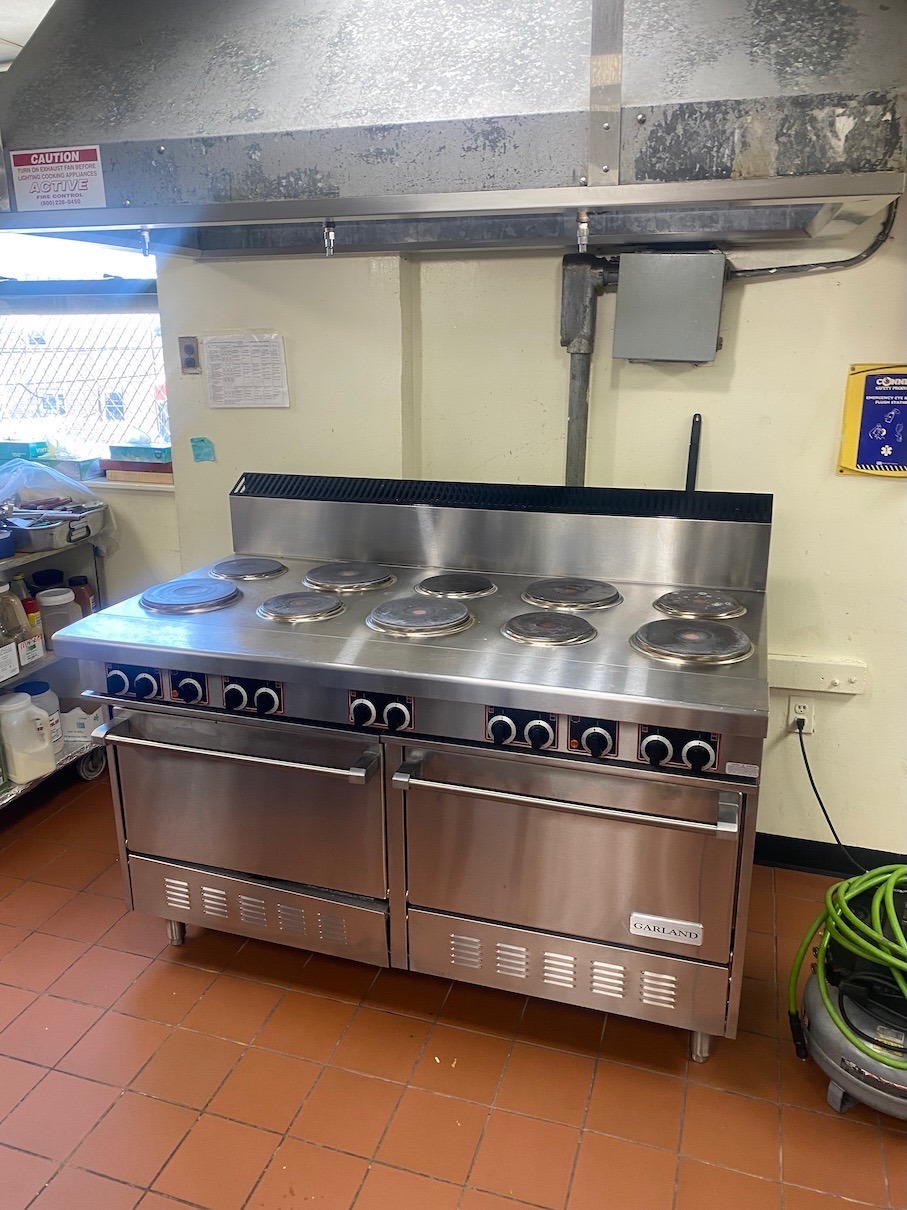
Consider a representative daycare center in Crown Heights preparing breakfast and lunch for young children. The facility has a commercial food preparation area with cooking appliances, an exhaust hood, and an existing wet chemical fire suppression system.
Before the start of a new educational program, the administrator schedules a professional review of the kitchen suppression equipment. The objective is to confirm that the system remains appropriate for the cooking operation and identify any maintenance issues before they disrupt meal service.
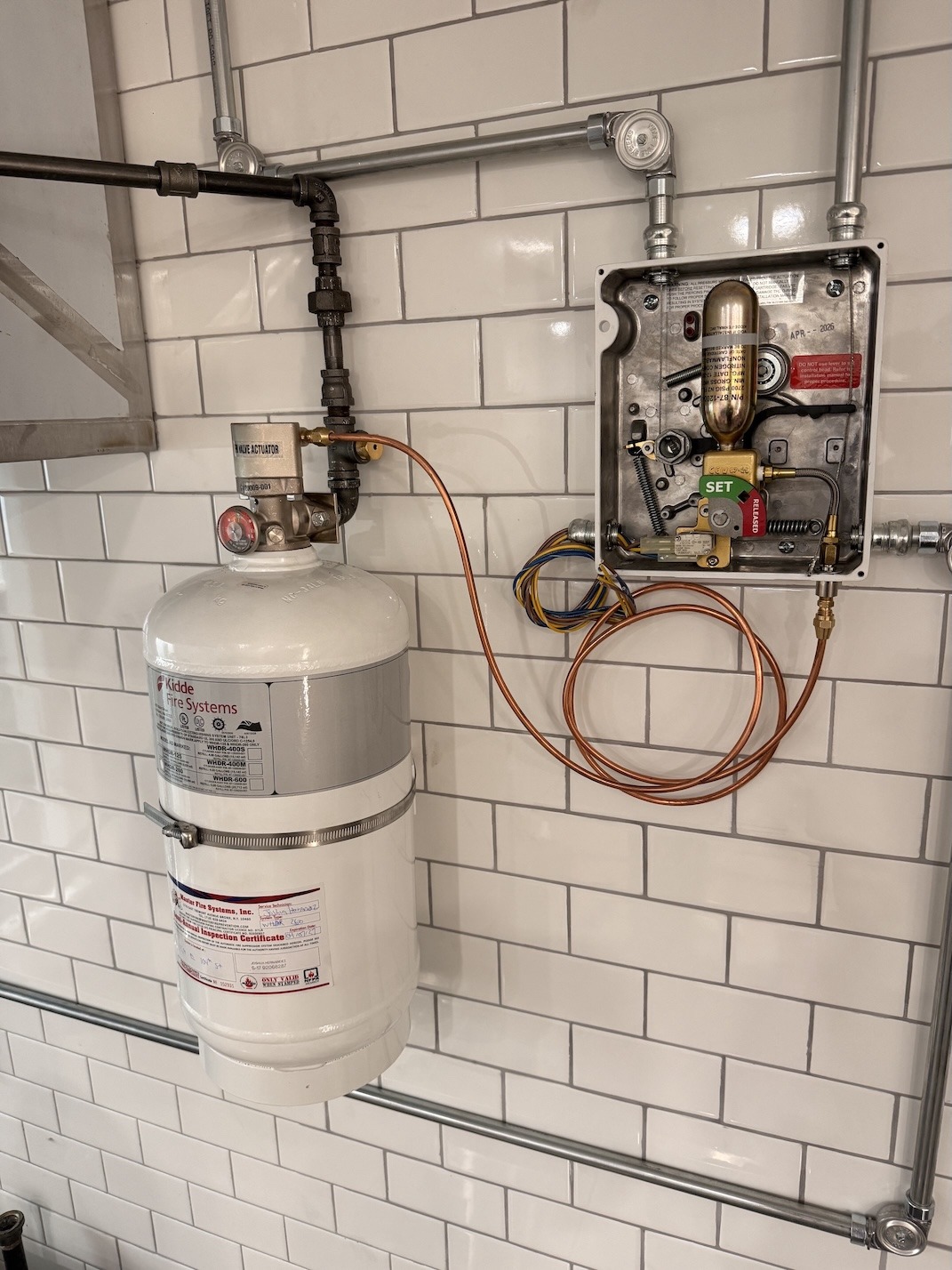
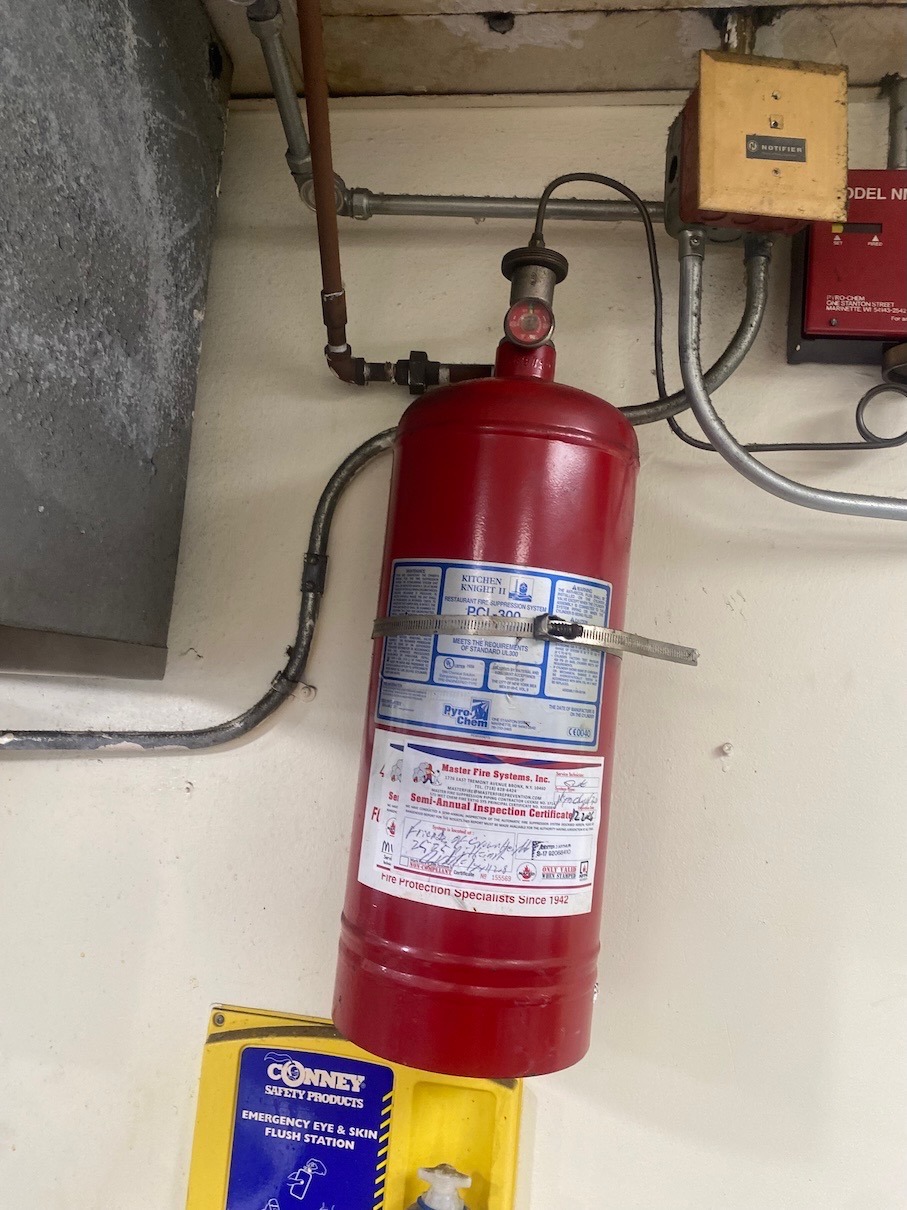
During the inspection, a qualified technician reviews the agent cylinder, suppression nozzles, piping, detection components, manual pull station, and applicable fuel or electrical shutoff connections.
The technician also compares the cooking appliances with the system's protected hazard arrangement. Even a seemingly minor equipment change can affect suppression coverage.
Unlike a restaurant, a daycare center must consider the presence of infants, toddlers, and preschool children when scheduling building maintenance.
Inspection and testing activities should be coordinated with administrators to avoid unnecessary interference with classroom instruction, food preparation, and supervised activities.
If deficiencies are discovered, the technician documents the findings and recommends appropriate corrective work. Depending on the system, this may involve replacing damaged components, correcting nozzle coverage, servicing the release mechanism, or reviewing equipment modifications.
The facility administrator can then maintain inspection records, plan required repairs, and schedule the next service interval.
A fire suppression system is intended to control a cooking fire before it spreads beyond the protected hazard. However, its reliability depends on proper installation, appropriate appliance coverage, and continuing maintenance.
For a daycare center, a kitchen fire could interrupt food service, require building evacuation, and place extraordinary demands on caregivers responsible for young children.
Regular professional inspection helps identify potential problems before an emergency occurs. It also supports compliance documentation and gives facility managers a clearer understanding of the system's condition.
This is an illustrative daycare kitchen fire suppression scenario. It does not claim that Master Fire Prevention performed work at Friends of Crown Heights Educational Centers or that any FOCH facility has the specific equipment described.
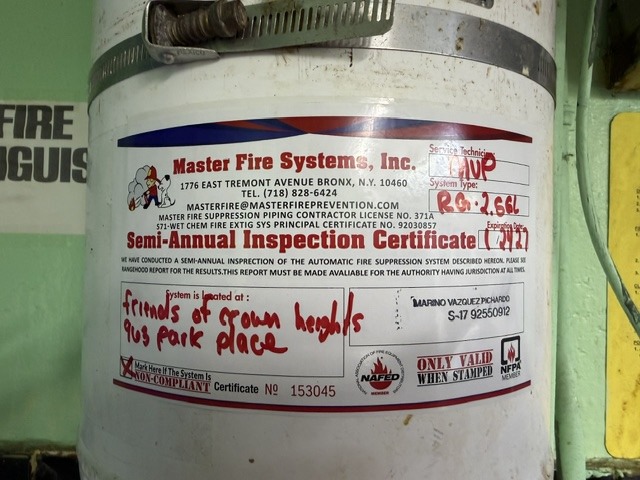
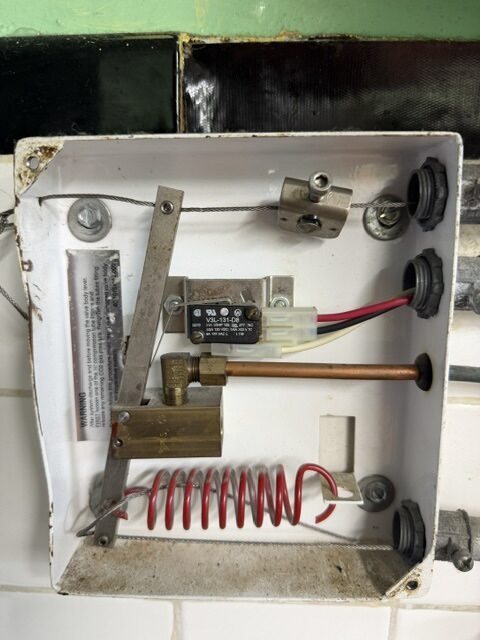
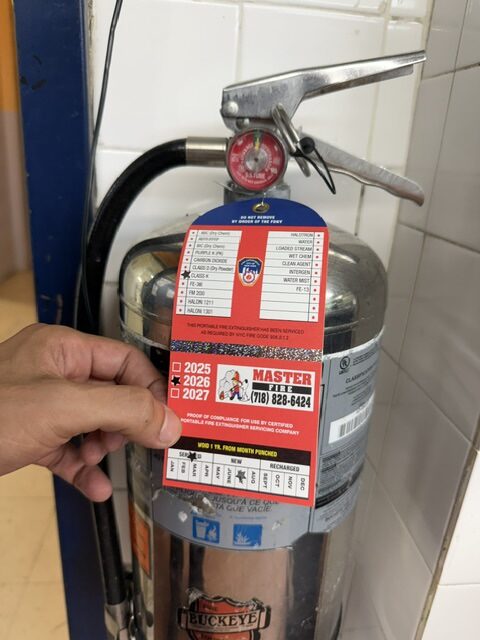
Sushi restaurants present unique fire protection challenges because their kitchens often combine cold food preparation with high-temperature cooking. Although sushi is associated with raw fish and rice, many Japanese restaurants also prepare tempura, grilled seafood, teriyaki dishes, and other cooked specialties.
Consequently, fire suppression systems must protect the actual cooking equipment rather than the cuisine alone. Commercial fryers, gas ranges, and specialty grills can create hazards requiring professional inspection and maintenance.
Master Fire Prevention provides fire suppression testing, inspection, and FDNY compliance support for sushi restaurants throughout Staten Island and New York City.
Located at 532B Forest Avenue, Staten Island, NY 10310, 3 Guys Sushi provides a local example of the specialized fire protection considerations associated with Japanese restaurant kitchens.
Unlike conventional restaurant kitchens, sushi establishments may combine refrigerated preparation counters, rice cooking equipment, and high-temperature appliances. Therefore, each cooking area requires an evaluation based on its specific hazards.
For example, a commercial tempura fryer presents different fire risks from a cold sushi preparation counter. Similarly, gas ranges, rice cookers, and Japanese grills may require different protection arrangements depending on their design and installation.
Commercial kitchen suppression systems must match the appliances they protect. Furthermore, suppression nozzles must remain correctly positioned, unobstructed, and suitable for the cooking equipment.
Restaurant renovations can also affect fire protection. For instance, relocating a fryer or installing a new grill may change the original suppression design. As a result, the system should be evaluated whenever cooking appliances are added, replaced, or repositioned.
Additionally, inspectors must consider the exhaust hood, grease-producing equipment, detection components, and applicable fuel shutoff connections.
Master Fire Prevention inspects wet chemical suppression equipment, agent cylinders, piping, nozzles, manual pull stations, and detection mechanisms. Moreover, our technicians evaluate whether the system remains appropriate for the existing kitchen layout.
Commercial cooking fire suppression systems generally require professional inspection and maintenance at least every six months. However, additional service may be necessary following equipment changes, system activation, or identified deficiencies.
Regular testing helps identify potential problems before they become serious safety concerns. Therefore, preventive maintenance supports restaurant employees, customers, and ongoing FDNY compliance.
Ultimately, properly maintained fire suppression equipment helps Staten Island sushi restaurants protect their kitchens and continue serving their communities safely.

Daycare centers operating commercial cooking equipment that produces grease-laden vapors may require an approved kitchen fire suppression system. Requirements depend on the appliances, cooking processes, ventilation configuration, and applicable NYC codes.
Daycare centers care for infants and young children who depend on adults during emergencies. A properly maintained kitchen suppression system helps control covered cooking fires and supports the facility's broader fire safety and emergency preparedness program.
Commercial kitchens with qualifying grease-producing cooking equipment commonly use UL 300-listed wet chemical suppression systems. The system must be designed for the specific cooking appliances and installed according to applicable requirements.
Commercial cooking fire suppression systems generally require professional inspection and maintenance at least every six months. Additional service may be necessary following activation, equipment changes, damage, or identified deficiencies.
Yes. Facility administrators can coordinate inspections and maintenance around classroom schedules, children's meal periods, and building access requirements. Any necessary equipment shutdowns should be planned in advance.
Not necessarily. Requirements depend on the equipment and cooking hazards. A facility that only reheats food may have different protection requirements from a commercial kitchen operating grease-producing fryers, ranges, or griddles.
Yes. Master Fire Prevention provides commercial kitchen fire suppression inspection, testing, maintenance, installation, repairs, and FDNY compliance support for qualifying daycare, preschool, school, and institutional food-service kitchens in Crown Heights and throughout Brooklyn.
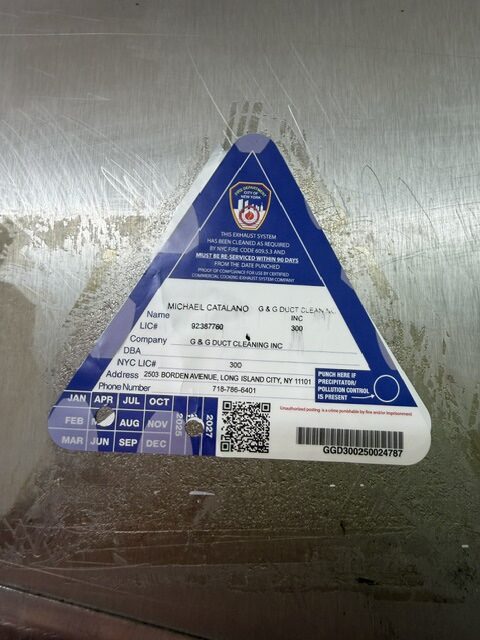
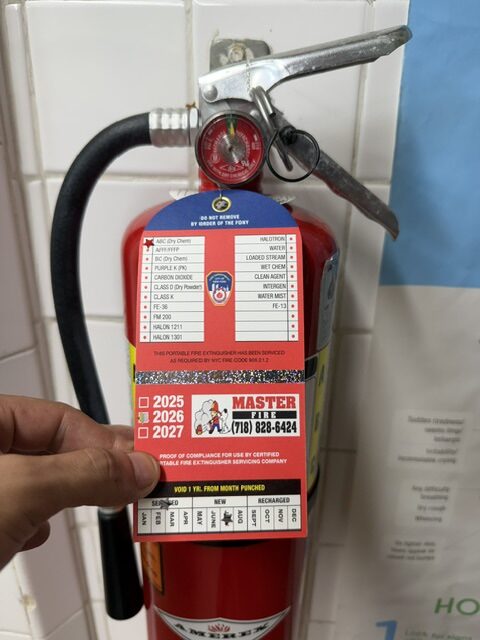
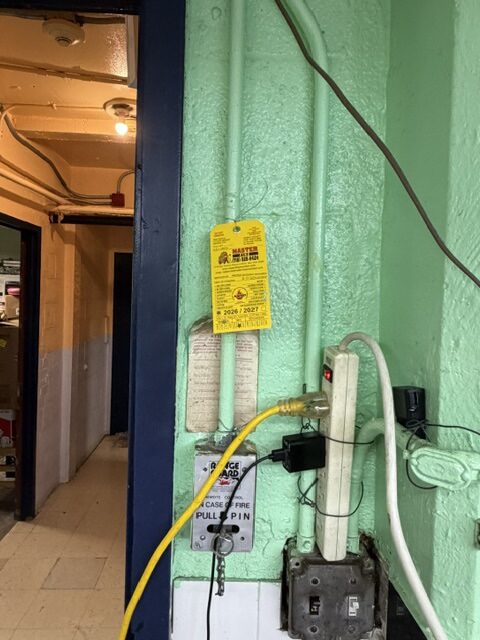
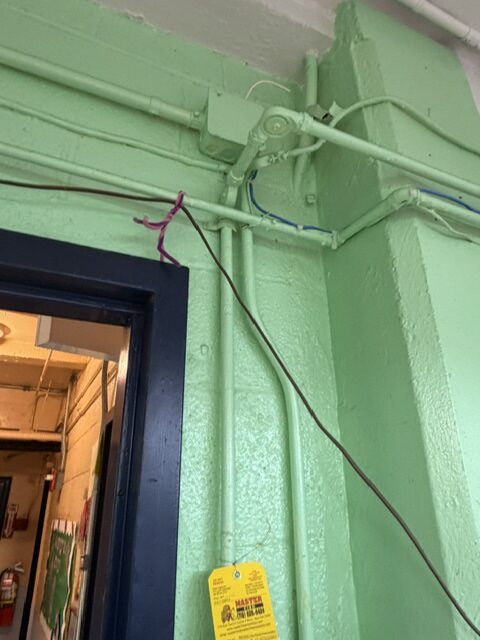
| Inspection Area | What Is Evaluated | Why It Matters for Daycare Safety |
|---|---|---|
| Cooking Appliance Coverage | Protection for installed fryers, ranges, griddles, and other covered cooking equipment | Helps ensure suppression protection matches the actual cooking hazards |
| Suppression Nozzles | Nozzle condition, placement, caps, and obstructions | Supports proper suppression agent distribution |
| Detection Components | Condition of detection devices and release mechanisms | Supports automatic system activation when required |
| Manual Pull Station | Accessibility, condition, and applicable operation checks | Allows trained personnel to activate the system manually |
| Agent Cylinder | Agent supply, cylinder condition, and service status | Helps maintain an operational suppression agent supply |
| Fuel and Electrical Shutoffs | Applicable cooking equipment shutoff connections | Helps stop energy supply to protected cooking equipment during activation |
| Maintenance Documentation | Inspection tags, service records, and reported deficiencies | Supports facility management and fire safety compliance |
For more information about protecting educational and institutional kitchens, see our guides to school and college kitchen fire suppression testing in Brooklyn and FDNY pre-inspection services for Brooklyn commercial kitchen fire systems.
Parents trust daycare centers with what matters most: their children. That responsibility extends beyond classrooms, playgrounds, and educational programs. It includes the kitchens where meals are prepared and the fire protection systems that help safeguard the entire facility.
Community organizations such as Friends of Crown Heights Educational Centers demonstrate the importance of providing nurturing environments where children from every background can learn, grow, and thrive.
Master Fire Prevention supports that mission of safety by providing professional commercial kitchen fire suppression services for daycare centers, preschools, early childhood education programs, and institutional kitchens throughout Brooklyn.
Whether your facility needs a six-month suppression inspection, system testing, equipment repairs, a new installation, or assistance preparing for an FDNY inspection, our team can help evaluate the fire protection requirements of your kitchen.
We work with childcare administrators, nonprofit organizations, school facilities teams, building managers, and contractors to coordinate fire suppression services around daily operations.
Protect the kitchen. Support the caregivers. Help keep our children safe.
Contact Master Fire Prevention at (917) 341-4117 to discuss commercial kitchen fire suppression for your Crown Heights daycare or educational facility.
41 Schermerhorn St, Brooklyn, NY 11201
masterfirepreventionsystem.com
Master Fire Prevention ofrece instalación, inspección, pruebas, mantenimiento y reparación de sistemas de supresión de incendios para cocinas comerciales en guarderías, centros preescolares e instituciones educativas de Crown Heights, Brooklyn. La seguridad de los niños es una prioridad, especialmente en instalaciones donde se preparan alimentos diariamente. Organizaciones comunitarias como Friends of Crown Heights Educational Centers desempeñan un papel importante en el cuidado y desarrollo infantil. Nuestros servicios ayudan a los administradores a mantener los sistemas de protección de cocinas comerciales, identificar deficiencias y cumplir con los requisitos aplicables del FDNY. Atendemos Crown Heights y otras comunidades de Brooklyn. Llame a Master Fire Prevention al (917) 341-4117.
No restaurant owner or property manager in New York City wants to risk failing an FDNY inspection, receiving violations, or operating with non-compliant fire systems. That’s why so many businesses rely on Master Fire Prevention Systems — trusted specialists in permitting, code compliance, and FDNY approvals for commercial kitchens — serving all of NYC, from Yonkers to the East Village, as well as Midtown and Downtown Brooklyn.
We understand how stressful it can be to deal with failed inspections, violation notices, emergency shutdowns, and outdated or non-compliant systems — especially when your business, staff, and customers are on the line. Our team works directly with restaurant owners, building managers, and contractors to correct issues quickly, bring systems up to code, properly document compliance, and ensure everything is ready for FDNY approval.
We serve restaurant owners, fast food locations, convenience stores, Bodegas and Delis, Venues, Nightclubs, Bars, municipal institutions, medical offices, industrial and manufacturing businesses throughout Brooklyn, including:
Brownsville, Downtown Brooklyn, Richmond Hill, Financial District, Borough Park, Park Slope, East New York, Bushwick, Crown Heights and more.
Master Fire Prevention Systems proudly serves all five boroughs including Manhattan
Queens: Long Island City
The Bronx
We provide full-service support for fire suppression permitting, hood and duct compliance, ventilation approvals, sprinkler coordination, inspections, testing, maintenance, and violation removal. Every project is handled with a focus on passing inspections, securing approvals, and keeping your property legally operational.
Whether you’re opening a new restaurant, upgrading an existing commercial kitchen, responding to a failed FDNY inspection, or taking over a previously closed space, Master Fire Prevention Systems manages the entire compliance process — from plans and permits to final certification and sign-off.
Stay informed and inspection-ready:
Subscribe to our YouTube channel for short, practical fire safety and compliance videos, read our blog (updated weekly with real NYC field insights), and follow us on Instagram for behind-the-scenes service work and compliance tips.
Service areas also include Harlem, Spanish Harlem, Lower Manhattan, Upper Manhattan, Inwood, and all NYC boroughs — Brooklyn, Queens, Staten Island, the Bronx, and Manhattan.