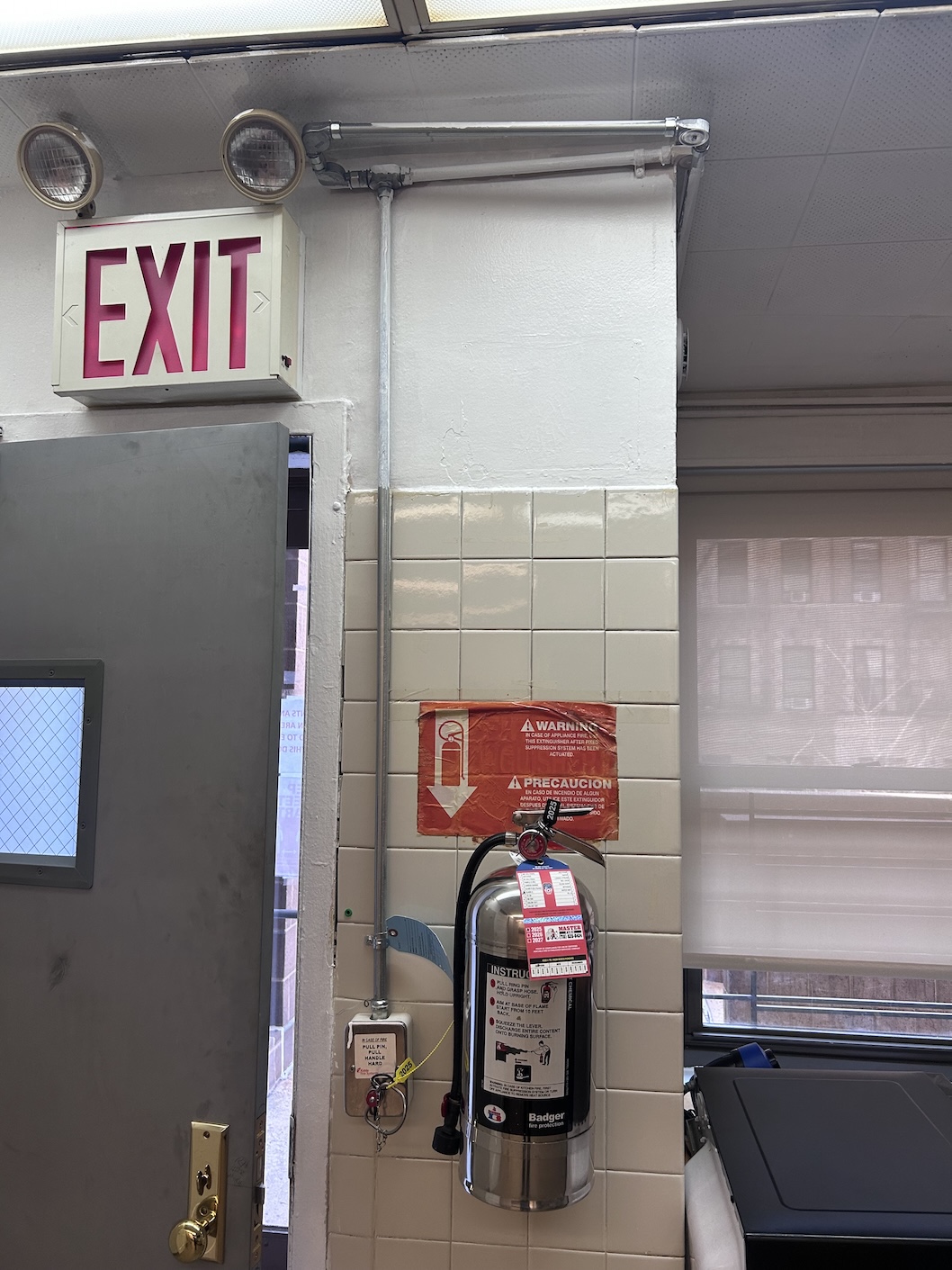
A restaurant operator comparing potential locations was considering an existing Brooklyn restaurant space rather than starting with a Manhattan location that required a more extensive buildout. At first, the Brooklyn space appeared to be the obvious shortcut. It already had a commercial hood, exhaust ductwork, cooking infrastructure, and a fire suppression system.
The advantage depended, however, on whether those existing systems could support the new restaurant concept. The proposed cooking line was different from the previous tenant's, and the existing documentation did not fully answer how earlier alterations had been handled.
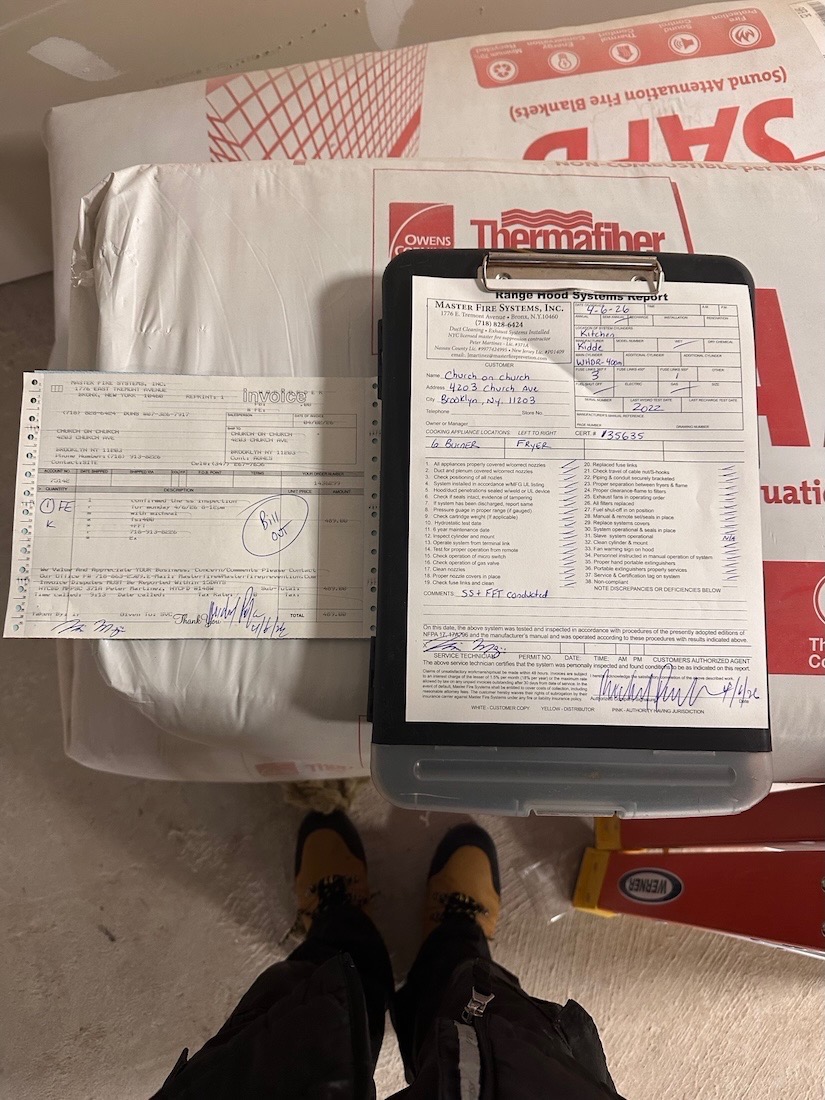
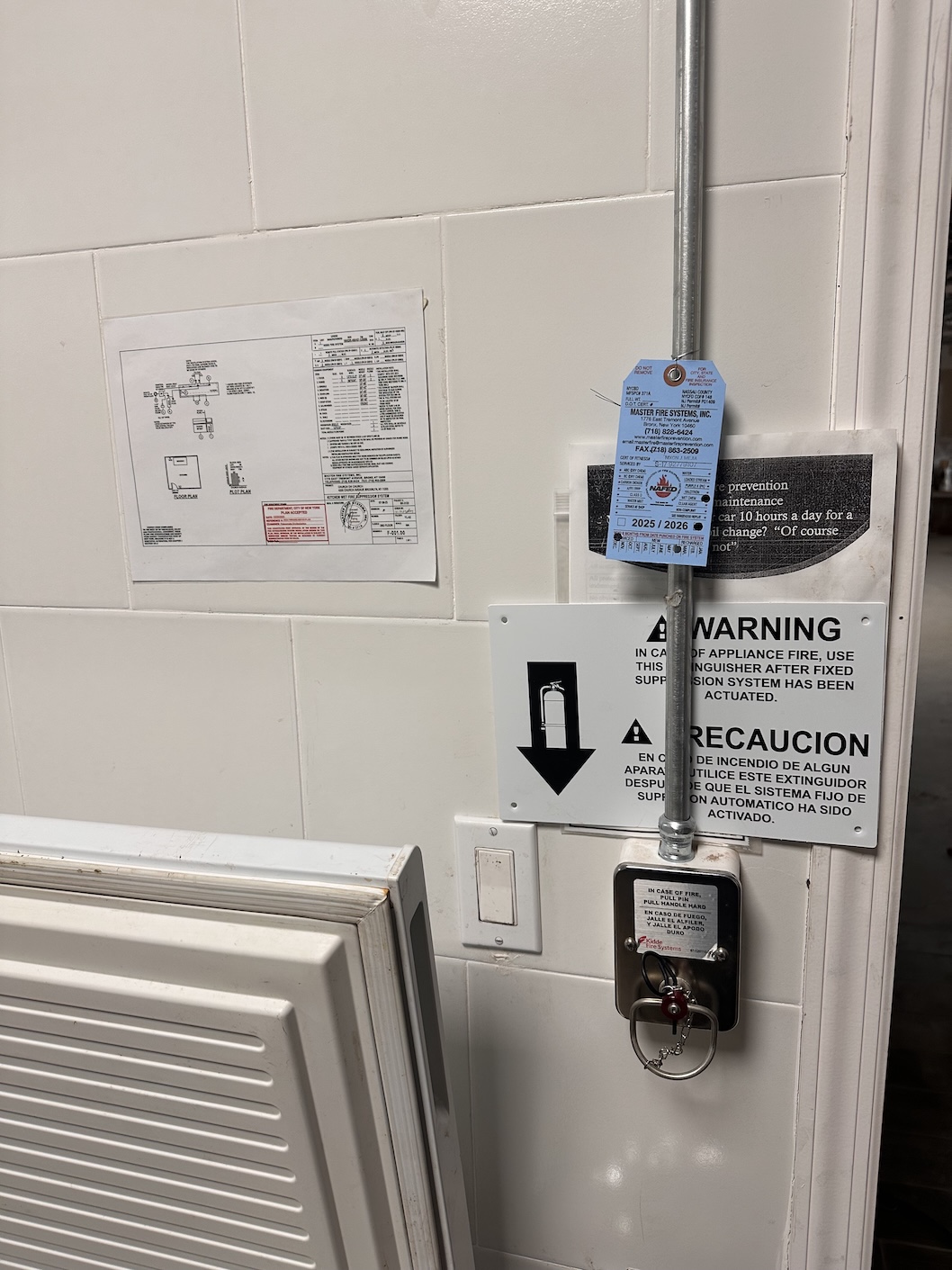
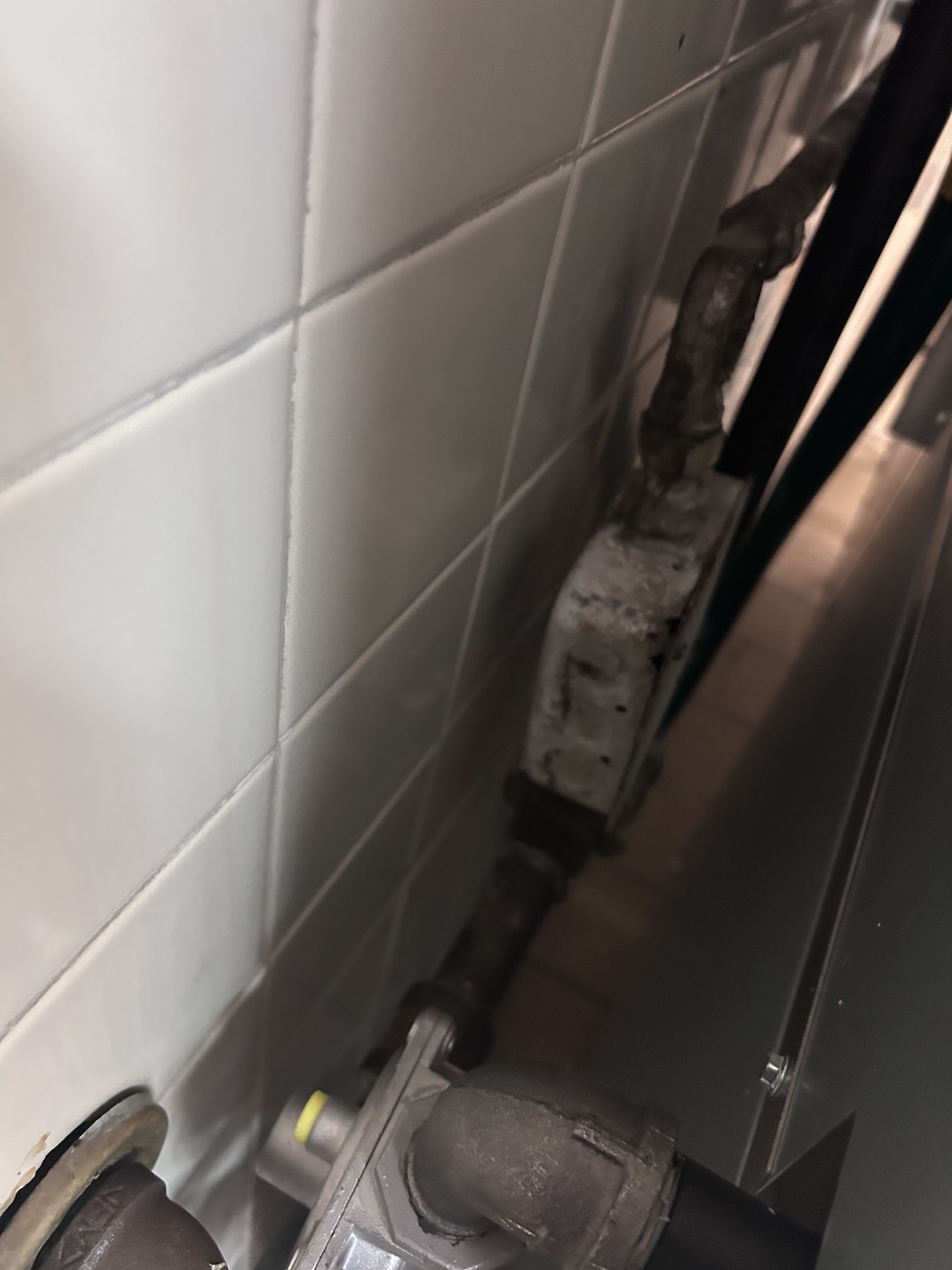
Master Fire Prevention approached the project by comparing the proposed operation with the conditions already in the space. The hood, duct route, cooking appliances, suppression coverage, and available documentation all needed to tell the same story.
This changed the owner's comparison. Instead of asking whether Brooklyn permits were easier than Manhattan permits, the question became whether this particular Brooklyn location provided a cleaner path to approval than the alternative location.
The existing infrastructure still offered potential advantages. However, those advantages could only be counted after determining what could remain, what needed modification, and what needed to be properly documented.
That review gave the restaurant operator a much more useful way to evaluate the buildout. Borough alone was not the deciding factor. The condition and compatibility of the existing restaurant systems determined whether the space could actually reduce construction, corrections, and approval complications.
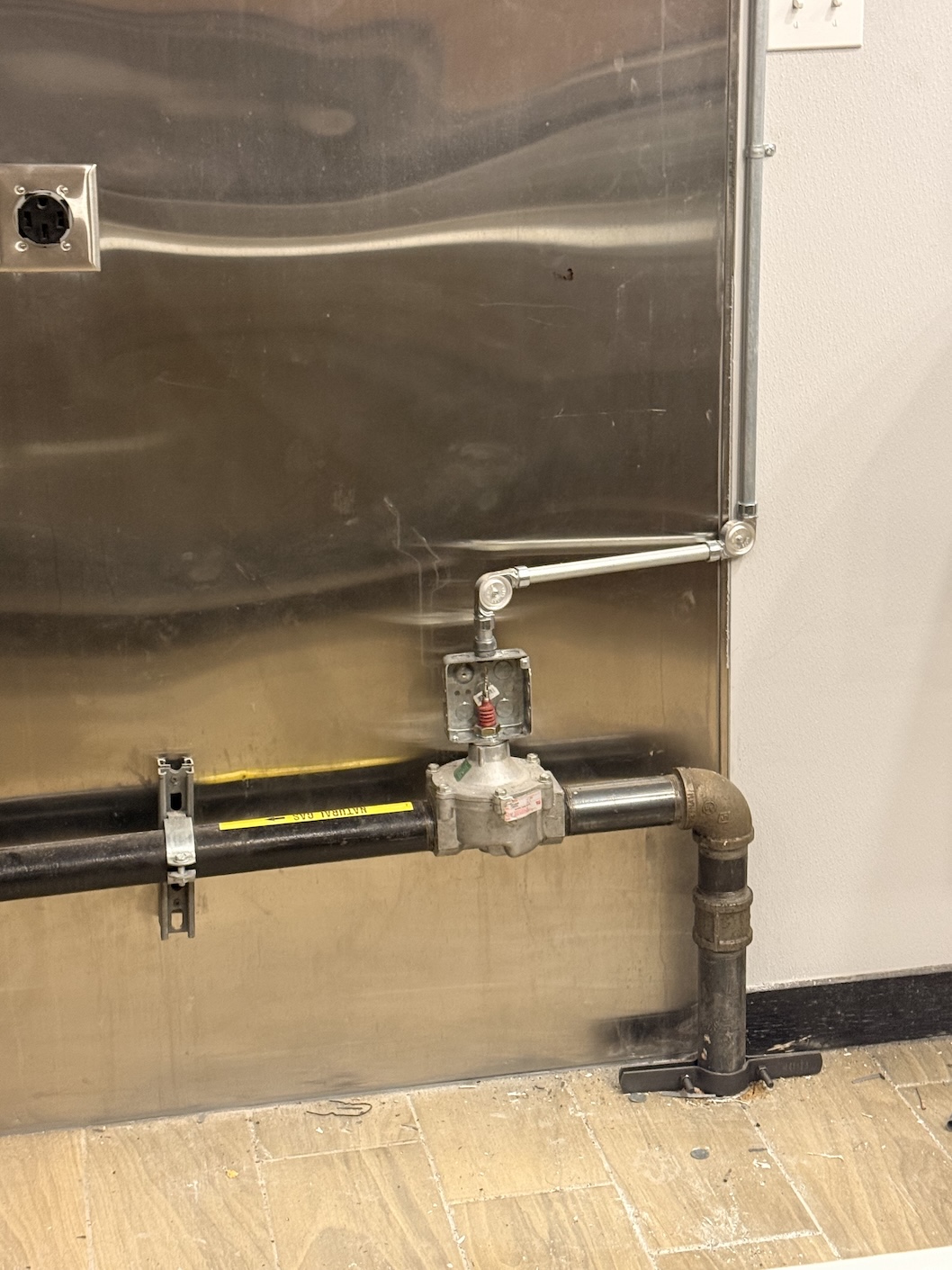
Is it easier to get FDNY approval on restaurant buildout permits and plans in Brooklyn or Manhattan? Not necessarily. Moving a restaurant project across the East River does not eliminate the fire protection, commercial kitchen, documentation, or approval requirements involved in the buildout. What can change dramatically is the building you are working with.
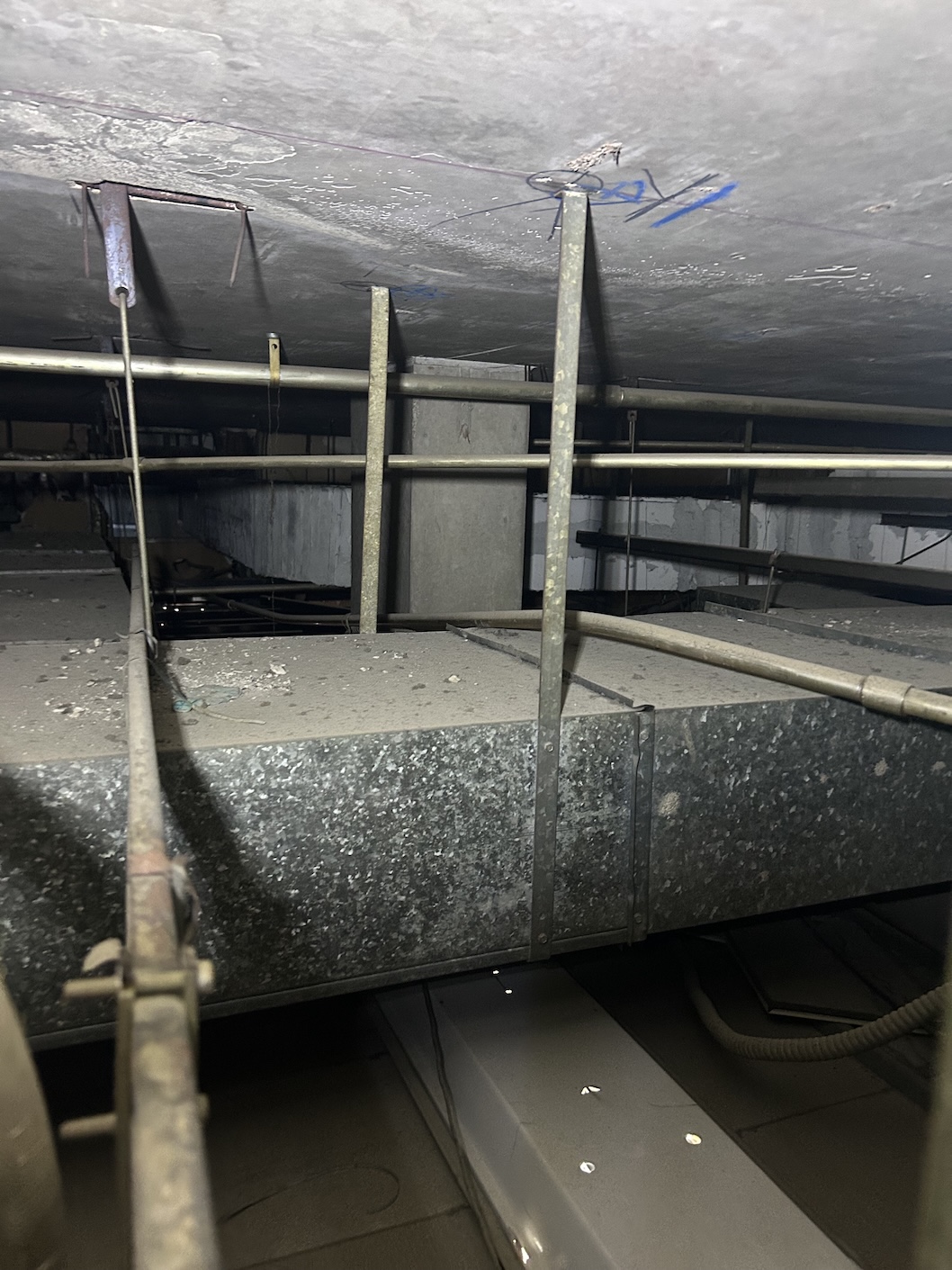
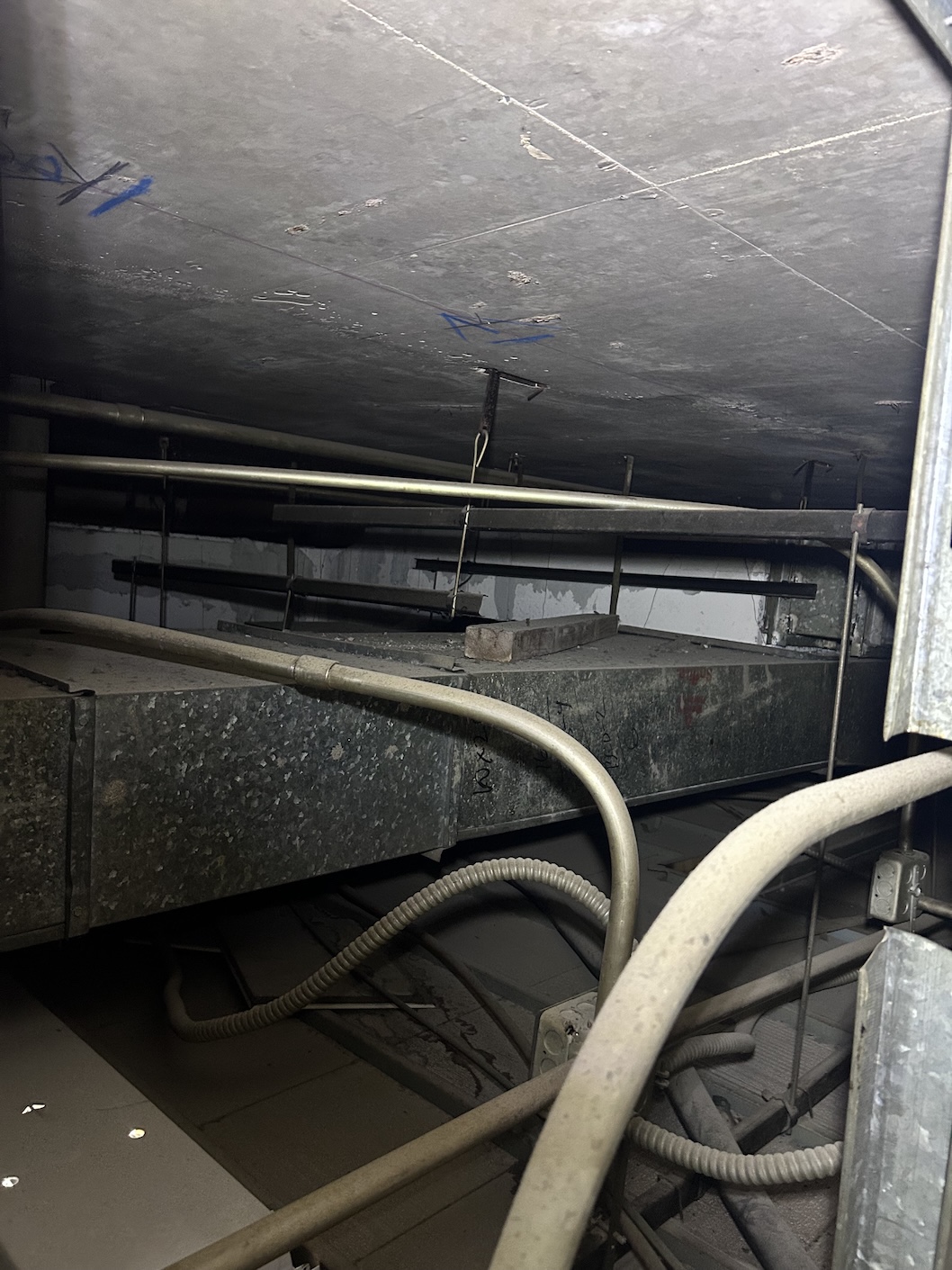
That distinction matters in Brooklyn. A restaurant owner may take over a former café in Park Slope, convert an older storefront in Bushwick, renovate a mixed-use building in Williamsburg, or inherit an existing commercial kitchen in Downtown Brooklyn. The space may already contain a hood, ductwork, fire suppression equipment, and years of alterations. The real question becomes whether those existing conditions work with the restaurant now being proposed.
Some Brooklyn restaurant projects may offer physical conditions that appear less restrictive than a dense Manhattan buildout. However, more room does not automatically mean easier approval. Brooklyn has extensive residential-over-commercial construction, older storefronts, attached buildings, and previously occupied restaurant spaces.
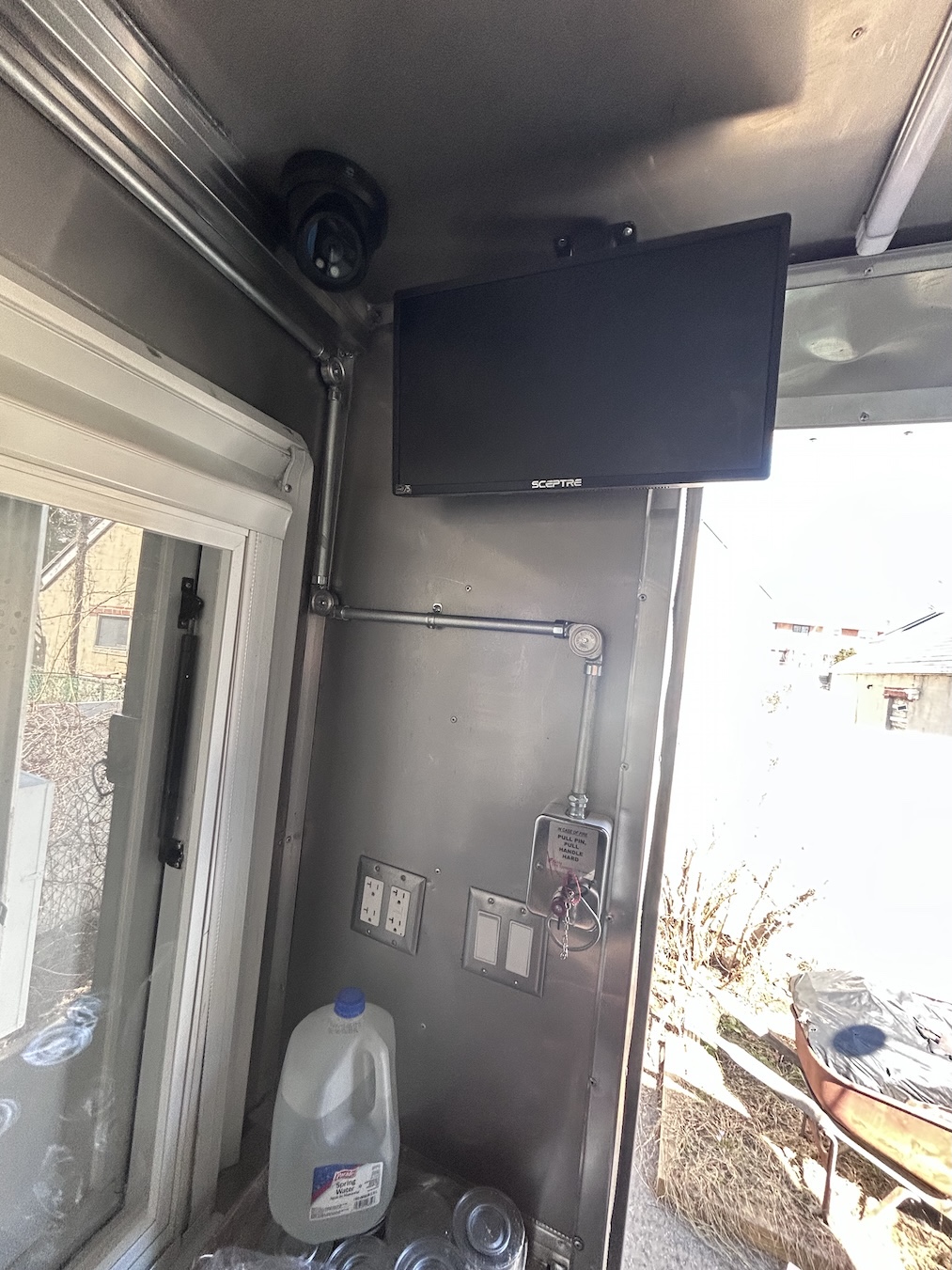
A proposed exhaust route, for example, has to work in the actual building. Likewise, an inherited suppression system has to correspond with the new cooking operation. Existing equipment can be an asset, but only when it is suitable for the project and properly documented.
Manhattan projects frequently face tight mechanical spaces, vertical building conditions, dense commercial occupancies, and complicated coordination with existing building infrastructure. Brooklyn can present a different combination: older low- and mid-rise properties, residential occupants above commercial kitchens, previous restaurant installations, unusual duct paths, and systems that have been altered over time.
Therefore, the easier project is usually not determined by borough. It is the project with accurate plans, workable building conditions, coordinated fire suppression and ventilation requirements, and fewer surprises between the drawings and what actually exists in the field.


| Buildout Factor | Brooklyn Consideration | Manhattan Consideration | Why It Matters |
|---|---|---|---|
| Existing Restaurant Spaces | Older storefronts may contain inherited hood, duct and suppression systems | Existing restaurant infrastructure may also be constrained by dense building conditions | Existing equipment must match the proposed operation |
| Mixed-Use Buildings | Restaurants frequently occupy street-level space below residential units | Restaurants may occupy complex commercial, residential or multi-tenant buildings | Surrounding occupancies affect project coordination |
| Exhaust Routing | Older and attached buildings can create difficult duct paths | Vertical distance and limited mechanical space can complicate routing | The proposed exhaust path must work in the actual building |
| Inherited Systems | Former restaurant spaces may contain systems altered by previous operators | Existing installations may also have multiple layers of previous alterations | Documentation and field conditions should correspond |
| Approval Complexity | Driven by the specific building, kitchen and existing conditions | Driven by the specific building, kitchen and existing conditions | Borough alone does not determine whether approval is easier |
For more, see our guides to Brooklyn kitchen exhaust ventilation systems and permits and Brooklyn restaurant kitchen fire suppression systems.
Choosing between a Brooklyn and Manhattan restaurant location involves much more than rent, foot traffic, and square footage. The condition of the commercial kitchen and the feasibility of its fire protection and exhaust systems can materially change the scope of a buildout.
An existing Brooklyn restaurant can offer valuable infrastructure. At the same time, an inherited hood, duct, or suppression system is only valuable if it can support the restaurant you intend to operate. Mixed-use buildings, residential occupancies, older alterations, equipment changes, and incomplete documentation can turn an apparently simple takeover into a more complicated project.
Master Fire Prevention helps owners evaluate and coordinate these conditions from our 41 Schermerhorn Street office in Brooklyn. We work with restaurants throughout Downtown Brooklyn, Brooklyn Heights, Boerum Hill, Cobble Hill, DUMBO, Fort Greene, Williamsburg, Greenpoint, Bushwick, Bedford-Stuyvesant, Crown Heights, Park Slope, Sunset Park, Bay Ridge, Flatbush, and surrounding neighborhoods.
Before assuming Brooklyn or Manhattan will be easier, determine what the proposed restaurant actually requires. Call (917) 341-4117 to discuss your restaurant plans, existing systems, fire suppression requirements, permit-related issues, and FDNY approval preparation.
¿Es más fácil obtener aprobación para los planos y permisos de un restaurante en Brooklyn que en Manhattan? No depende solamente del condado. Las condiciones reales del edificio, la cocina, la campana, los ductos, el sistema de supresión y la documentación existente pueden hacer que un proyecto sea más sencillo o más complejo. Master Fire Prevention, en 41 Schermerhorn Street, ayuda a propietarios de restaurantes en Brooklyn a evaluar sistemas existentes, coordinar planos y preparar proyectos para el proceso de aprobación correspondiente. Llame al (917) 341-4117.
No restaurant owner or property manager in New York City wants to risk failing an FDNY inspection, receiving violations, or operating with non-compliant fire systems. That’s why so many businesses rely on Master Fire Prevention Systems — trusted specialists in permitting, code compliance, and FDNY approvals for commercial kitchens — serving all of NYC, from Yonkers to the East Village, as well as Midtown and Downtown Brooklyn.
We understand how stressful it can be to deal with failed inspections, violation notices, emergency shutdowns, and outdated or non-compliant systems — especially when your business, staff, and customers are on the line. Our team works directly with restaurant owners, building managers, and contractors to correct issues quickly, bring systems up to code, properly document compliance, and ensure everything is ready for FDNY approval.
We serve restaurant owners, fast food locations, convenience stores, Bodegas and Delis, Venues, Nightclubs, Bars, municipal institutions, medical offices, industrial and manufacturing businesses throughout Brooklyn, including:
Brownsville, Downtown Brooklyn, Richmond Hill, Financial District, Borough Park, Mill Basin, Park Slope, East New York, Bushwick, Crown Heights Dyker Heights and more.
Master Fire Prevention Systems proudly serves all five boroughs including Manhattan
Queens: Long Island City
The Bronx
We provide full-service support for fire suppression permitting, hood and duct compliance, ventilation approvals, sprinkler coordination, inspections, testing, maintenance, and violation removal. Every project is handled with a focus on passing inspections, securing approvals, and keeping your property legally operational.
Whether you’re opening a new restaurant, upgrading an existing commercial kitchen, responding to a failed FDNY inspection, or taking over a previously closed space, Master Fire Prevention Systems manages the entire compliance process — from plans and permits to final certification and sign-off.
Stay informed and inspection-ready:
Subscribe to our YouTube channel for short, practical fire safety and compliance videos, read our blog (updated weekly with real NYC field insights), and follow us on Instagram for behind-the-scenes service work and compliance tips.
Service areas also include Harlem, Spanish Harlem, Lower Manhattan, Upper Manhattan, Inwood, and all NYC boroughs — Brooklyn, Queens, Staten Island, the Bronx, and Manhattan.