3 Guys Sushi, located at 532B Forest Avenue in Staten Island, provides a relevant example of the specialized fire suppression considerations associated with Japanese restaurants.
Sushi establishments can combine multiple cooking methods within a relatively compact commercial kitchen. Cold preparation areas, rice cooking stations, frying equipment, and hot-food production may operate alongside one another. Consequently, fire protection inspections must focus on the actual appliances and their individual hazards.
In a typical sushi restaurant inspection, the first step is to identify the cooking equipment protected by the existing suppression system. A commercial fryer used for tempura, for example, presents different hazards from a cold sushi preparation counter.
Similarly, a commercial grill or range may require specific nozzle coverage, detection arrangements, and equipment shutoff connections. The technician must evaluate these components against the system manufacturer's listed design.
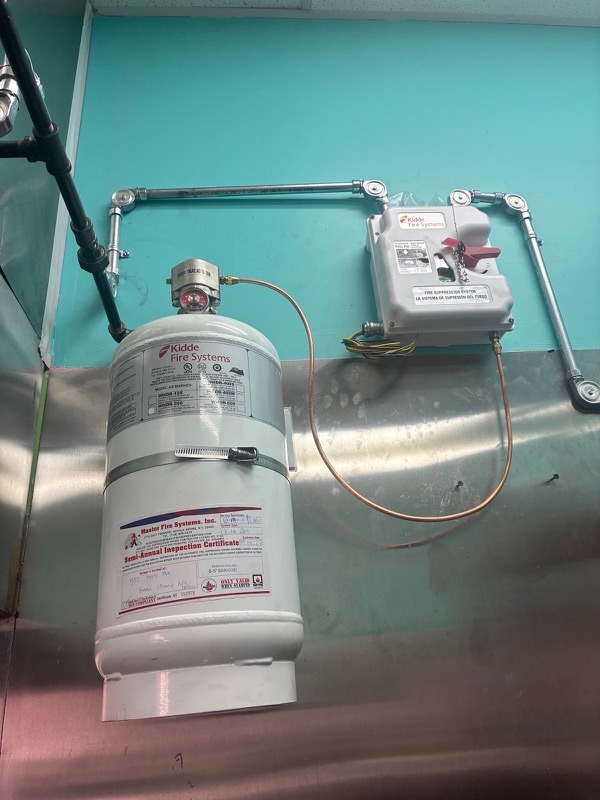
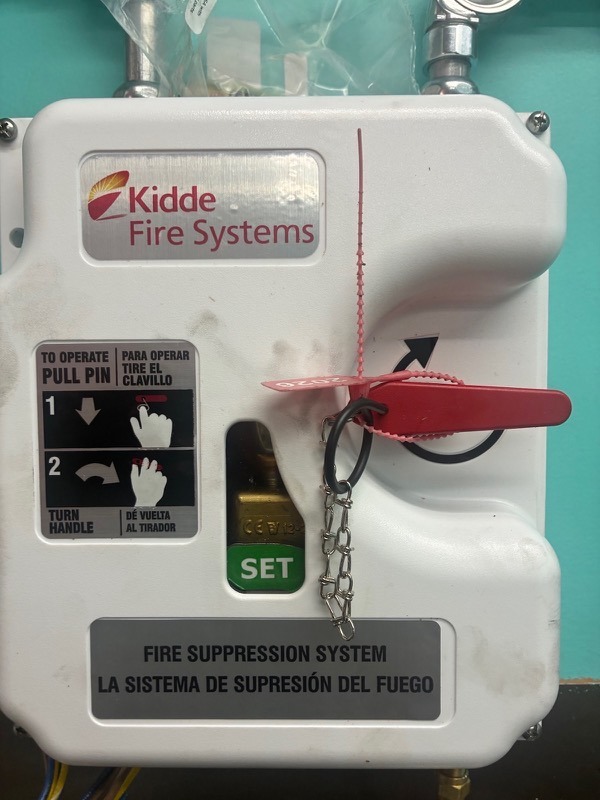
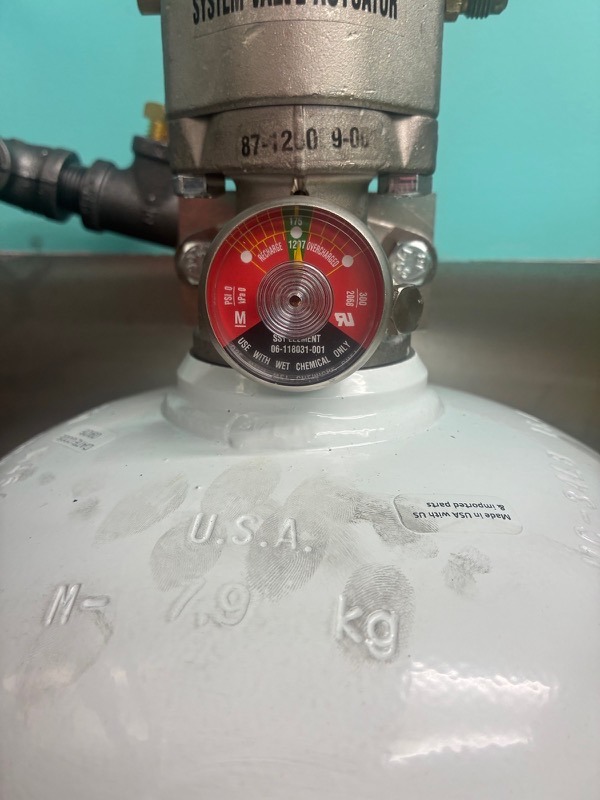
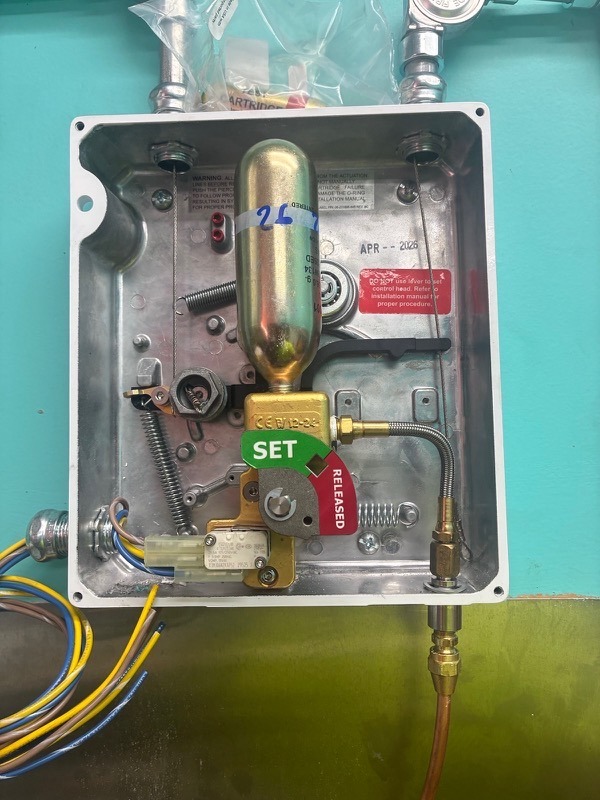
A comprehensive inspection includes reviewing the suppression agent cylinder, nozzle placement, piping, detection devices, manual pull station, and system release components.
Additionally, the technician checks whether the protected appliances remain in their approved positions. If equipment has been relocated, the original suppression coverage may no longer be appropriate.
System testing follows the manufacturer's procedures and applicable requirements. Depending on the system and scope of service, this may include functional checks of detection and release components, manual activation mechanisms, and connected equipment shutoffs without discharging suppression agent.
Any identified deficiencies should be documented. Furthermore, repairs and modifications must use compatible, approved components and follow the applicable listing requirements.
One important distinction is that not every Japanese restaurant uses the same cooking methods. Some primarily prepare sushi and chilled dishes. Others operate tempura fryers, high-temperature grills, wok-style cooking stations, or hibachi equipment.
Therefore, an inspector cannot assume that a suppression system is appropriate simply because it was previously approved for a Japanese restaurant.
The equipment configuration, cooking temperatures, grease production, ventilation arrangement, and suppression system listing all matter.
For restaurant owners, the practical benefit of regular inspection is early identification of deficiencies that could affect system performance or FDNY compliance.
This case-study discussion uses 3 Guys Sushi as the named restaurant location and describes the applicable inspection process. Specific equipment, inspection findings, repairs, and completed work at this location have not been independently verified.
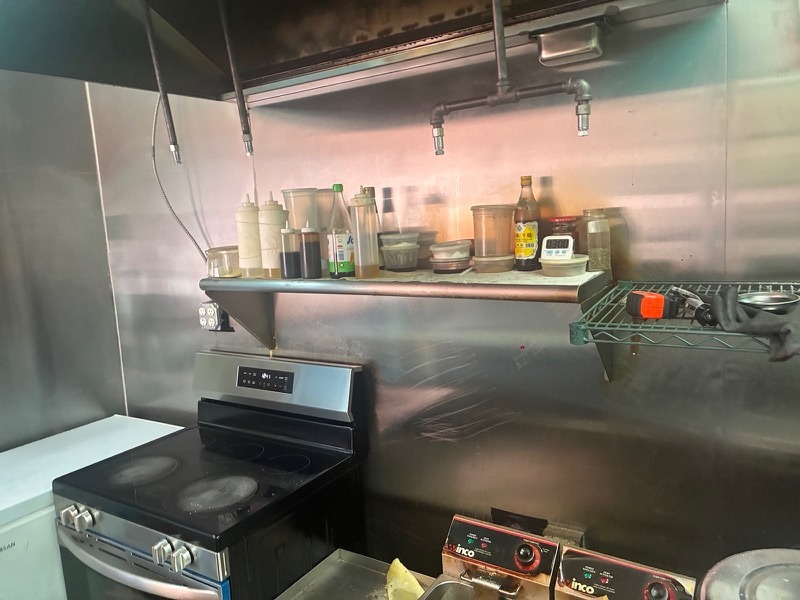
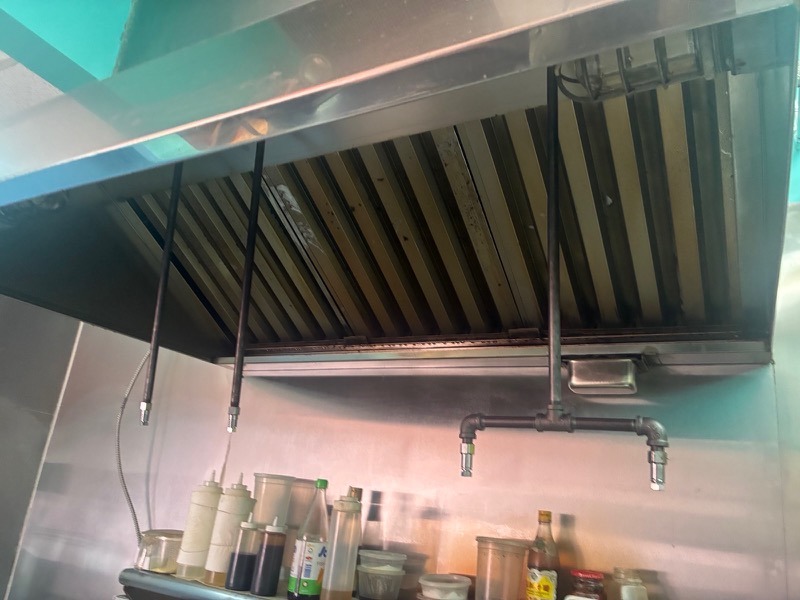
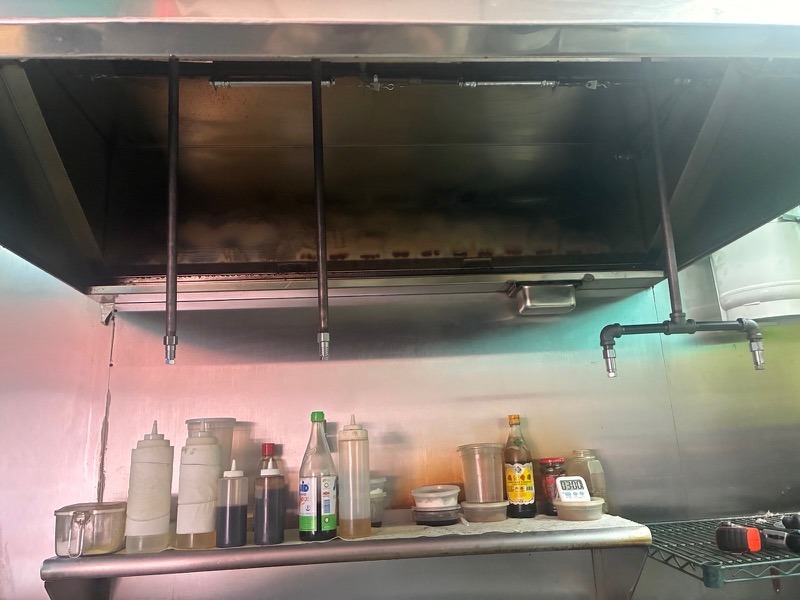
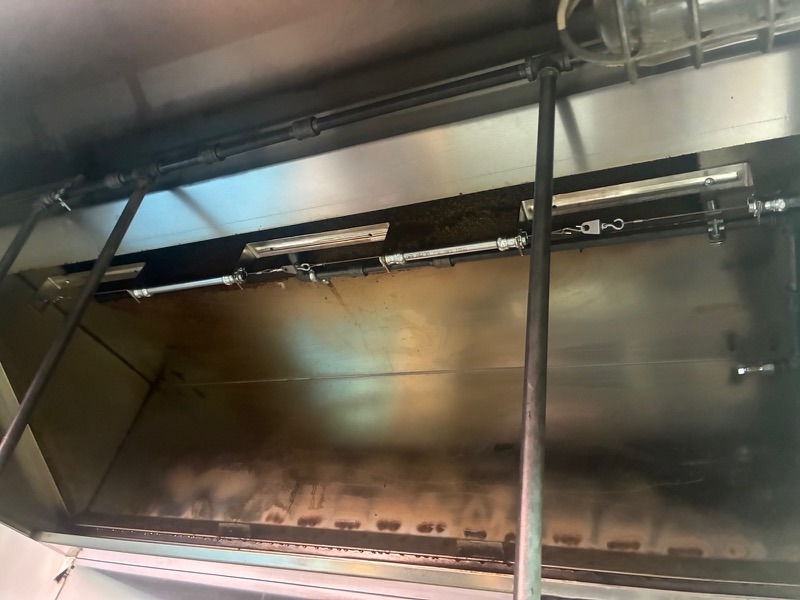
Sushi restaurants present unique fire protection challenges because their kitchens often combine cold food preparation with high-temperature commercial cooking. Although sushi is traditionally associated with raw fish and rice, many Japanese restaurants also prepare tempura, grilled seafood, teriyaki dishes, and other cooked specialties.
Consequently, restaurant fire protection must account for the actual cooking equipment, rather than the cuisine alone. Commercial fryers, gas ranges, griddles, and specialized grilling appliances can create hazards that require properly designed and maintained fire suppression systems.
Master Fire Prevention provides commercial kitchen fire suppression testing, inspection, maintenance, and FDNY compliance support for sushi restaurants and Japanese food-service establishments throughout Staten Island and New York City.
Located at 532B Forest Avenue, Staten Island, NY 10310, 3 Guys Sushi provides a local case-study setting for examining the specialized fire protection needs of Japanese restaurant kitchens.
Unlike a conventional restaurant that relies primarily on a single hot cooking line, a sushi establishment may have separate preparation stations, rice cooking equipment, refrigeration, and a dedicated hot-food kitchen. Therefore, fire protection planning must distinguish between equipment that creates a commercial cooking fire hazard and equipment that does not.
For example, a sushi preparation counter may not require the same protection as a commercial tempura fryer. Similarly, a rice cooker, gas range, and high-temperature grill may have different protection requirements depending on their design, operation, and installation.
Commercial cooking fire suppression systems must match the specific appliances they protect. In addition, suppression nozzles must remain correctly positioned, unobstructed, and suitable for the protected cooking arrangement.
Restaurant renovations can create additional challenges. For instance, relocating a fryer or installing a new grill may change the original suppression system design. As a result, an existing system should be evaluated whenever cooking equipment is added, replaced, or repositioned.
Master Fire Prevention evaluates wet chemical suppression equipment, detection components, manual pull stations, agent cylinders, piping, nozzles, and applicable fuel or electrical shutoff arrangements.
Furthermore, commercial cooking suppression systems generally require professional inspection and maintenance at least every six months under applicable fire safety requirements.
Regular testing and inspection help identify deficiencies before they become more serious problems. Ultimately, dependable fire protection supports restaurant employees, customers, and the continued operation of Staten Island's diverse dining establishments.
Sushi restaurants may require approved commercial kitchen fire suppression systems when their cooking equipment produces grease-laden vapors. Requirements depend on the actual appliances, cooking processes, ventilation configuration, and applicable NYC codes.
Japanese restaurants may combine cold sushi preparation with commercial frying, grilling, and hot-food cooking. Therefore, inspectors must evaluate each cooking hazard and verify that the suppression system provides appropriate coverage for the installed equipment.
Commercial tempura fryers generally require appropriate protection as part of a commercial cooking fire suppression system. UL 300-listed wet chemical systems are commonly used for qualifying commercial cooking operations.
Cold sushi preparation counters do not ordinarily present the same cooking fire hazards as commercial fryers or grills. However, the overall kitchen configuration and applicable code requirements must be evaluated before determining the necessary protection.
Commercial cooking fire suppression systems generally require professional inspection and maintenance at least every six months. Additional service may be necessary following activation, equipment modifications, damage, or identified deficiencies.
Not automatically. Replacing, relocating, or adding commercial cooking appliances may affect nozzle coverage and the system's approved design. A qualified technician should evaluate the configuration before the modified cooking line is used.
Yes. Master Fire Prevention provides commercial kitchen fire suppression testing, inspection, maintenance, repairs, and FDNY compliance support for Staten Island restaurants, including sushi establishments and other Japanese commercial kitchens.
| Kitchen Equipment | Fire Protection Consideration | Inspection Priority |
|---|---|---|
| Sushi Preparation Counter | Cold preparation generally presents no direct commercial cooking fire hazard | Evaluate surrounding equipment and overall kitchen layout |
| Tempura Fryer | High-temperature cooking oil presents a significant grease fire hazard | Verify listed suppression coverage and nozzle positioning |
| Commercial Gas Range | Open-flame cooking may require approved appliance protection | Review nozzle coverage and applicable fuel shutoff |
| Japanese Grill or Hibachi Equipment | Heat source, grease production, and cooking configuration affect protection | Evaluate equipment-specific suppression requirements |
| Commercial Rice Cooker | Protection requirements depend on equipment design and cooking hazards | Assess appliance classification and installation |
| Kitchen Exhaust Hood | Grease-laden vapors may create hood and duct fire hazards | Review applicable hood and duct suppression protection |
For more information, see our guides to restaurant fire systems inspection and testing in Brooklyn and FDNY pre-inspection services for commercial kitchen fire systems.
Japanese restaurants combine distinctive food preparation techniques with specialized cooking equipment. As a result, their fire suppression systems must be evaluated against the actual hazards present in each commercial kitchen.
From sushi preparation areas to tempura fryers, commercial ranges, and specialty grills, every appliance deserves appropriate consideration. Moreover, changes to equipment or kitchen layouts can affect existing fire suppression coverage.
Master Fire Prevention provides professional restaurant fire suppression testing, inspection, maintenance, and repair services throughout Staten Island and New York City.
Whether you operate a sushi restaurant on Forest Avenue, a Japanese takeout kitchen, or a full-service dining establishment with specialized cooking equipment, preventive inspection can help identify problems before they lead to an emergency or compliance issue.
Our technicians review suppression components, appliance coverage, manual activation equipment, detection mechanisms, and applicable shutoff arrangements. In addition, we help restaurant operators maintain inspection documentation and address identified deficiencies.
Protect your kitchen, employees, customers, and investment.
Contact Master Fire Prevention at (917) 341-4117 to schedule commercial kitchen fire suppression testing and inspection in Staten Island.
41 Schermerhorn St, Brooklyn, NY 11201
masterfirepreventionsystem.com
Master Fire Prevention ofrece inspección, pruebas, mantenimiento y reparación de sistemas de supresión de incendios para restaurantes de sushi y cocinas japonesas en Staten Island, Nueva York. Los restaurantes japoneses pueden combinar preparación de alimentos fríos con freidoras para tempura, parrillas, estufas comerciales y otros equipos que requieren protección especializada. Utilizando 3 Guys Sushi, ubicado en 532B Forest Avenue, Staten Island, como referencia local, explicamos la importancia de verificar la cobertura de los equipos, las boquillas, los cilindros, los mecanismos de detección y los sistemas de apagado. Nuestros servicios ayudan a los restaurantes a cumplir con los requisitos aplicables del FDNY y mantener sus sistemas de protección contra incendios. Llame al (917) 341-4117.
No restaurant owner or property manager in New York City wants to risk failing an FDNY inspection, receiving violations, or operating with non-compliant fire systems. That’s why so many businesses rely on Master Fire Prevention Systems — trusted specialists in permitting, code compliance, and FDNY approvals for commercial kitchens — serving all of NYC, from Yonkers to the East Village, as well as Midtown and Downtown Brooklyn.
We understand how stressful it can be to deal with failed inspections, violation notices, emergency shutdowns, and outdated or non-compliant systems — especially when your business, staff, and customers are on the line. Our team works directly with restaurant owners, building managers, and contractors to correct issues quickly, bring systems up to code, properly document compliance, and ensure everything is ready for FDNY approval.
We serve restaurant owners, fast food locations, convenience stores, Bodegas and Delis, Venues, Nightclubs, Bars, municipal institutions, medical offices, industrial and manufacturing businesses throughout Brooklyn, including:
Brownsville, Downtown Brooklyn, Richmond Hill, Financial District, Borough Park, Park Slope, East New York, Bushwick, Crown Heights and more.
Master Fire Prevention Systems proudly serves all five boroughs including Manhattan
Queens: Long Island City
The Bronx
We provide full-service support for fire suppression permitting, hood and duct compliance, ventilation approvals, sprinkler coordination, inspections, testing, maintenance, and violation removal. Every project is handled with a focus on passing inspections, securing approvals, and keeping your property legally operational.
Whether you’re opening a new restaurant, upgrading an existing commercial kitchen, responding to a failed FDNY inspection, or taking over a previously closed space, Master Fire Prevention Systems manages the entire compliance process — from plans and permits to final certification and sign-off.
Stay informed and inspection-ready:
Subscribe to our YouTube channel for short, practical fire safety and compliance videos, read our blog (updated weekly with real NYC field insights), and follow us on Instagram for behind-the-scenes service work and compliance tips.
Service areas also include Harlem, Spanish Harlem, Lower Manhattan, Upper Manhattan, Inwood, and all NYC boroughs — Brooklyn, Queens, Staten Island, the Bronx, and Manhattan.